


The Republic Of Poetry
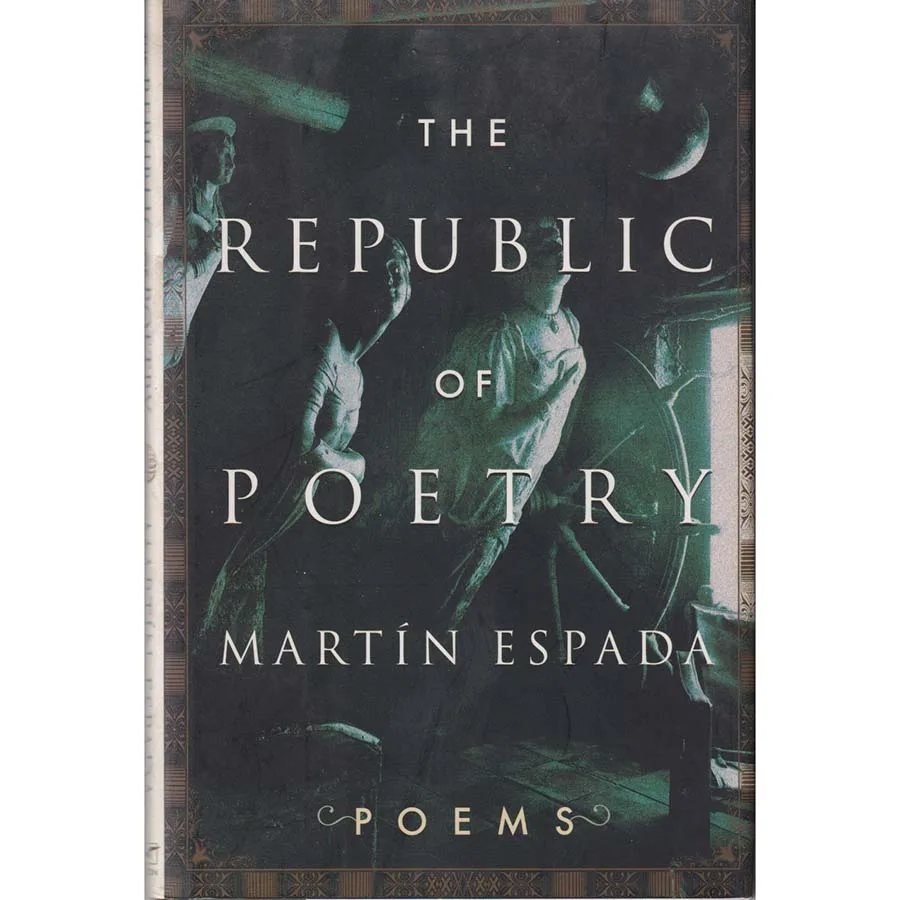
Publisher: Norton
Format: Hardback
ISBN: 9780393062564
The Republic of Poetry is one of those titles that sounds simultaneously inspiring, impossible, and faintly bureaucratic. One imagines a nation-state run entirely by people who insist on reading verse before approving roadworks. There would be no standing army, but there would be heated constitutional disputes about line breaks. Taxes would probably be paid in metaphors.
Published in 2006 by Norton, Martin Espada’s The Republic of Poetry is a collection that arrives with the quiet confidence of a poet who knows exactly what he is doing. Espada has long been admired for writing poems that manage the rare feat of being politically engaged, emotionally powerful, and actually readable. This is no small achievement. Poetry has spent much of the last century perfecting the art of making ordinary readers feel as though they have accidentally wandered into an exam they forgot to revise for. Espada, by contrast, appears genuinely interested in communication.
The poems gathered here concern memory, justice, family, identity, language, history, and the countless small moments that make up a life. Which sounds terribly worthy until one realises that Espada possesses an eye for detail sharp enough to transform everyday observations into something unexpectedly luminous. He writes about ordinary people with extraordinary attention, finding significance in places and voices that are often overlooked.
What makes the collection particularly appealing is its refusal to retreat into abstraction. There are poets who write as though their primary audience consists of other poets locked in an underground bunker exchanging coded messages. Espada belongs to a different tradition entirely. His work is rich, accessible, and deeply rooted in lived experience. The poems invite readers in rather than daring them to keep up.
Of course, this does not mean the book lacks seriousness. Quite the opposite. Beneath the warmth and humanity lies an acute awareness of inequality, displacement, and social struggle. Yet even when confronting difficult subjects, Espada avoids the temptation to become merely didactic. The poems remain poems rather than pamphlets, which is a distinction surprisingly easy to lose sight of.
As a physical object, this 2006 Norton edition possesses the understated dignity one expects from a serious poetry collection. It is not trying to dazzle anyone with embossed dragons, sprayed edges, or celebrity endorsements. It simply sits there waiting to be opened, quietly confident that the contents can look after themselves.
Condition-wise, this copy is described as Good. In the peculiar language of second-hand bookselling, this means it has successfully survived twenty years of readers, bookshelves, removals, and perhaps the occasional coffee cup without suffering any catastrophic indignities. It remains perfectly capable of fulfilling its primary purpose, which is to sit on a shelf making its owner appear more cultured than they may actually be.
Whether you are already a poetry enthusiast or merely curious about what a republic governed by poems might look like, this is a rewarding collection. Intelligent, humane, and quietly powerful, The Republic of Poetry offers a reminder that verse can still speak clearly about the world without sacrificing beauty. Exactly the sort of thoughtful volume that Crappy Old Books is delighted to rescue from the vast and often underappreciated wilderness of modern literature.
Keep browsing: See more Poetry books Other books by Martin Espada
